CARDS BY MOUMI
Blank cards with my original paintings.
This holiday season, 100% of the proceeds from any cards you purchase will go to a trusted family member - a Kingston native and community organizer - who will responsibly distribute the full amount of funds to families, schools, and teachers in Kingston and surrounding parishes she works with. For more details about the fundraiser, see the information at the bottom of the page.
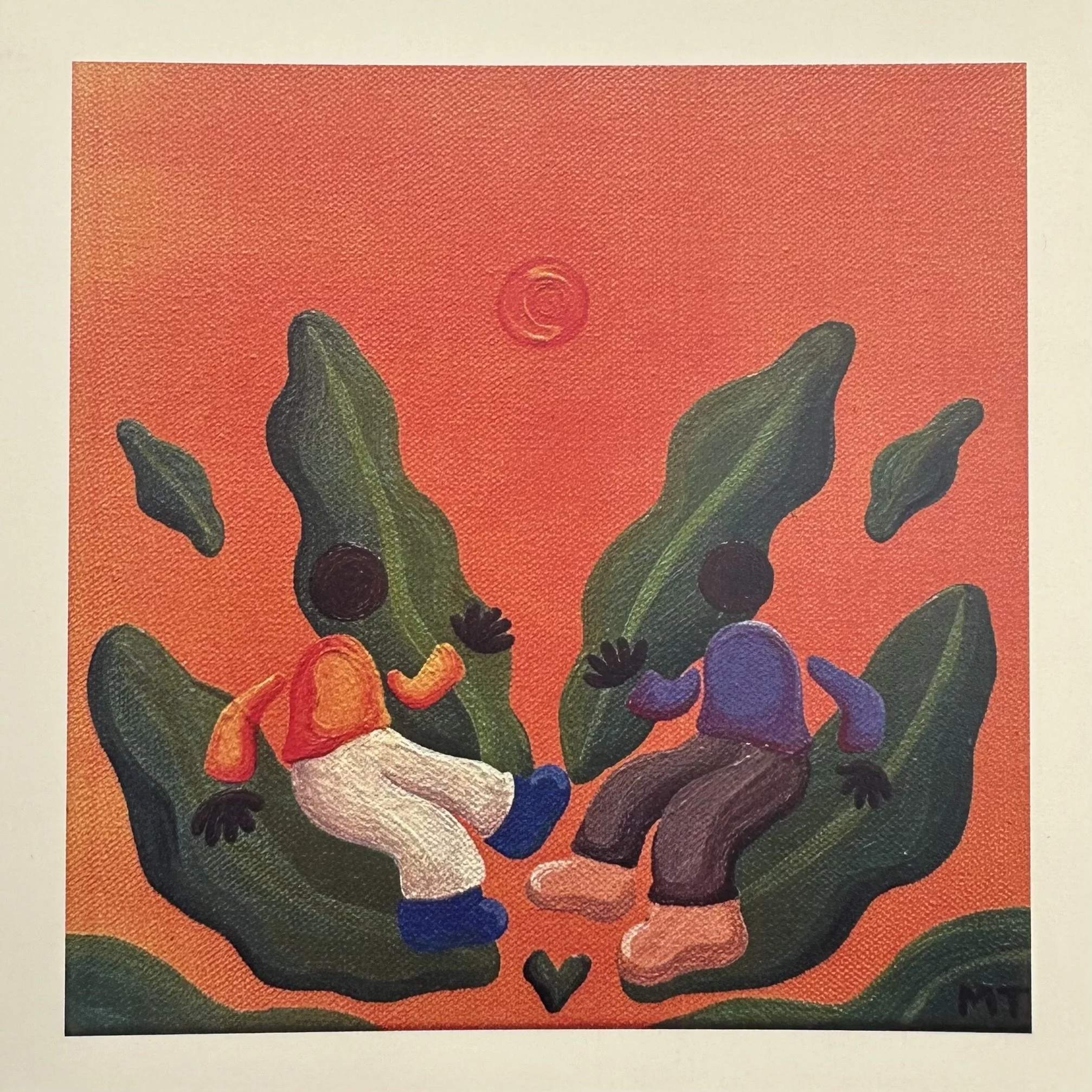
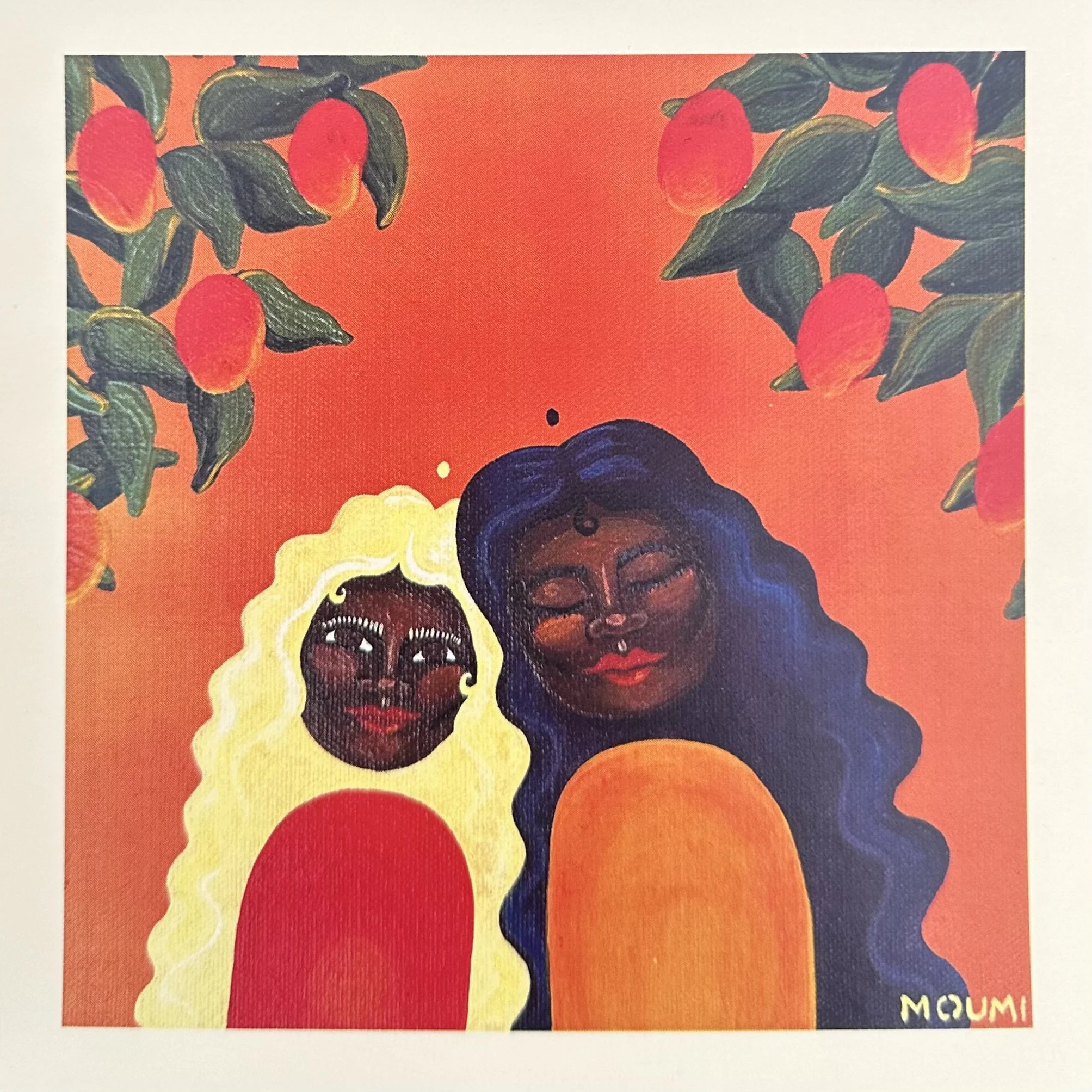
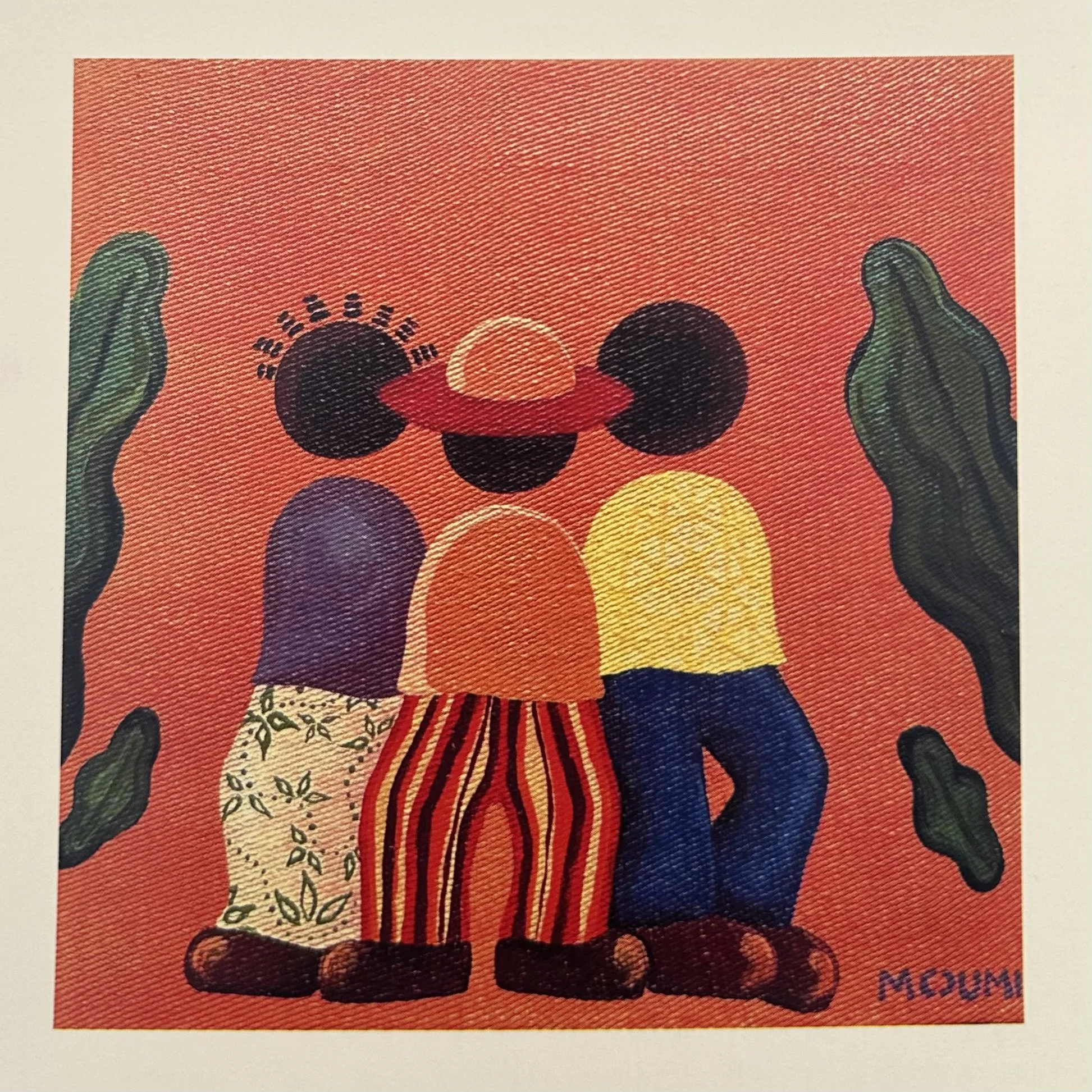
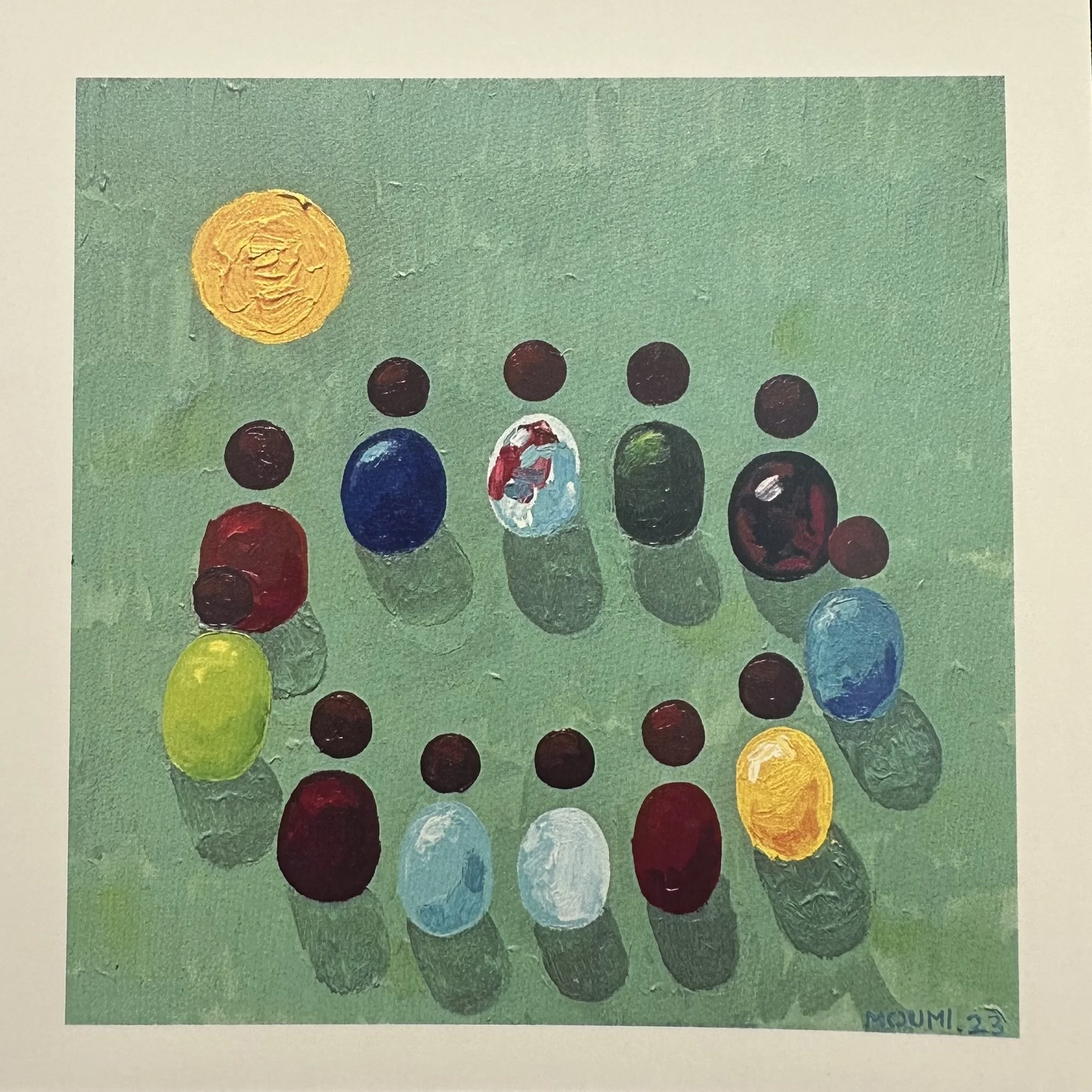
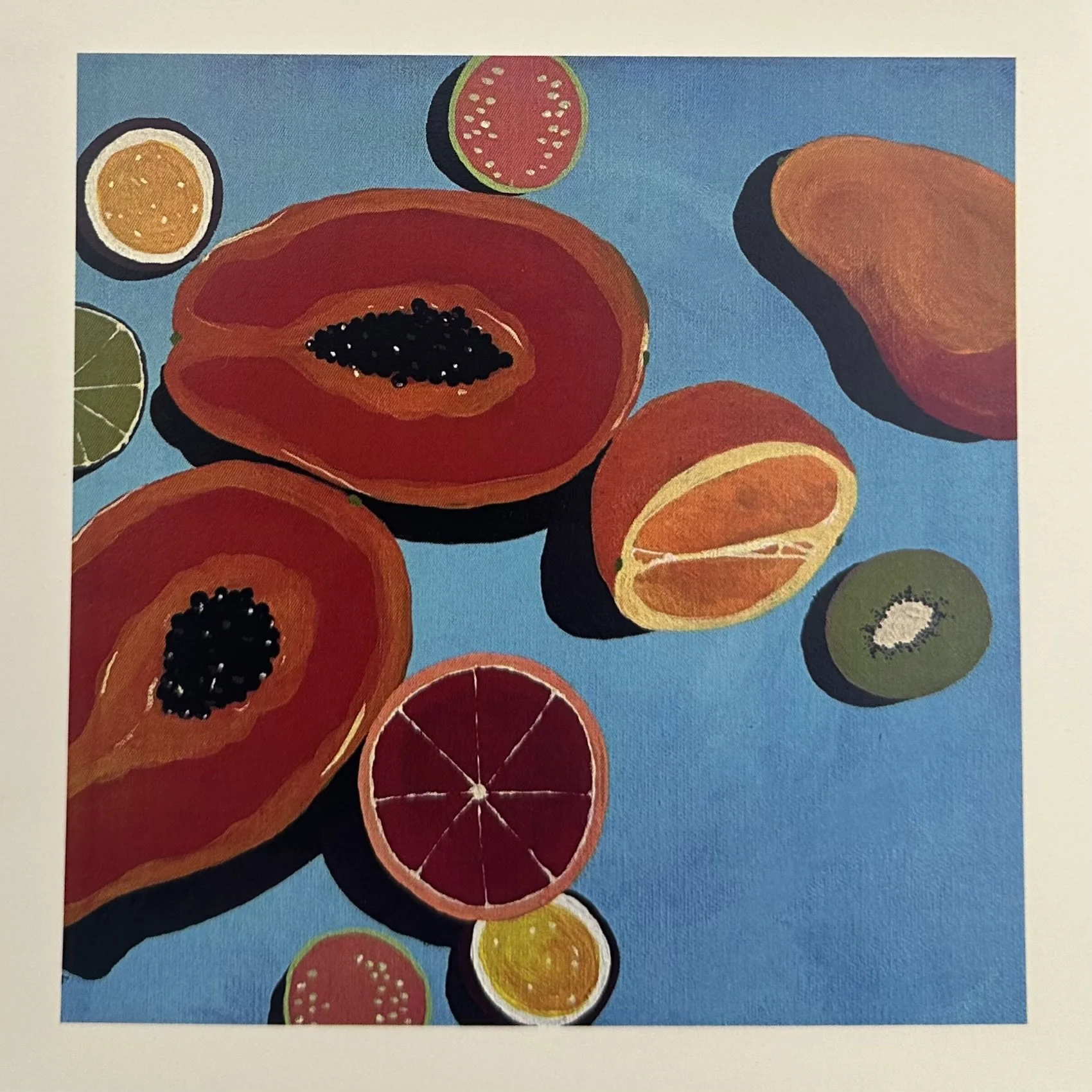
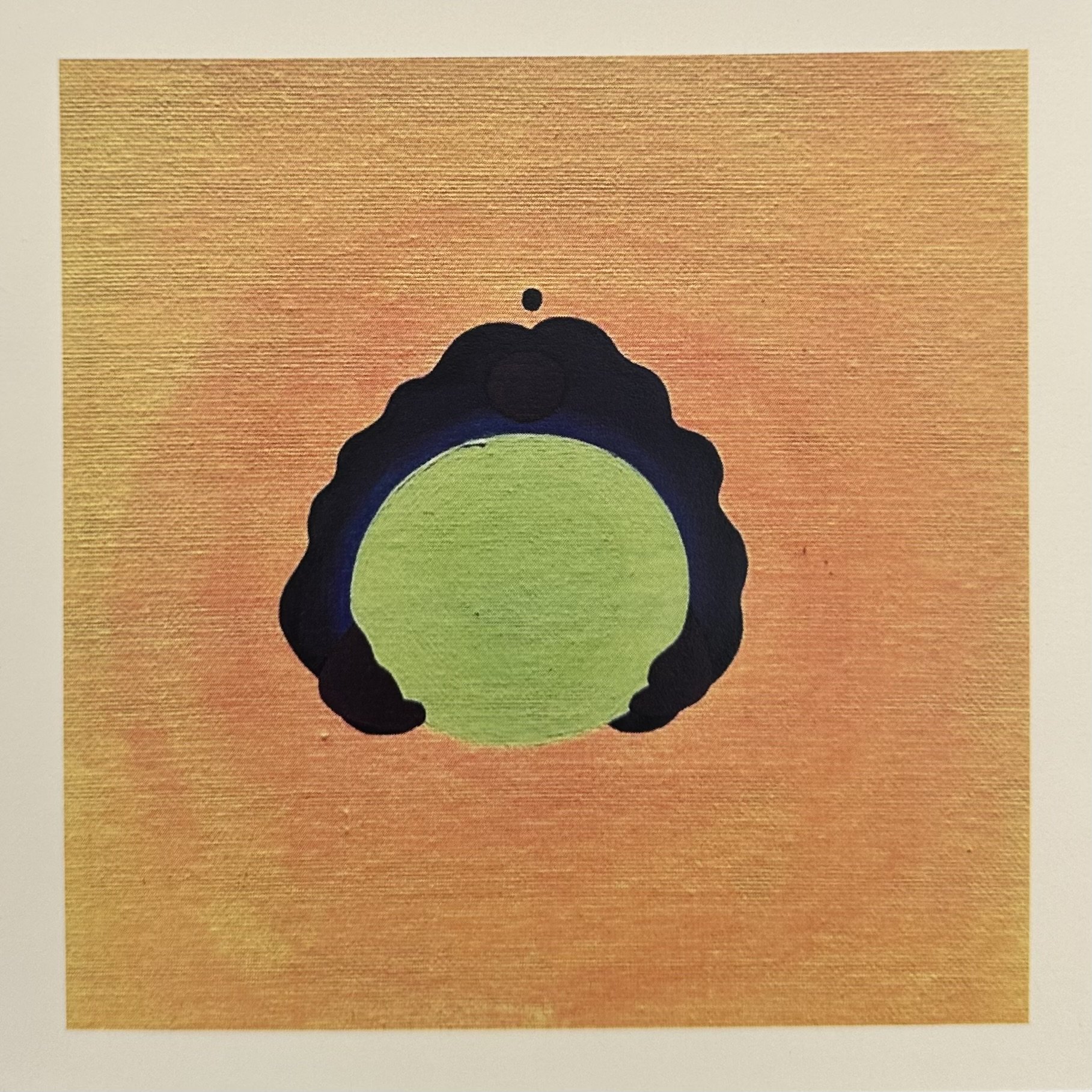
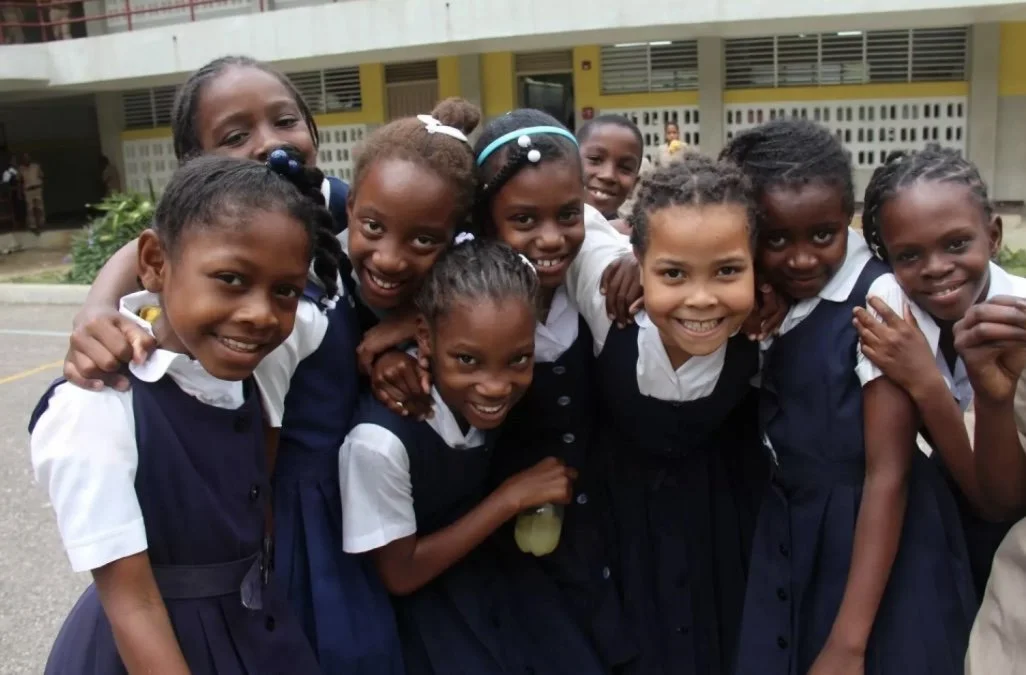
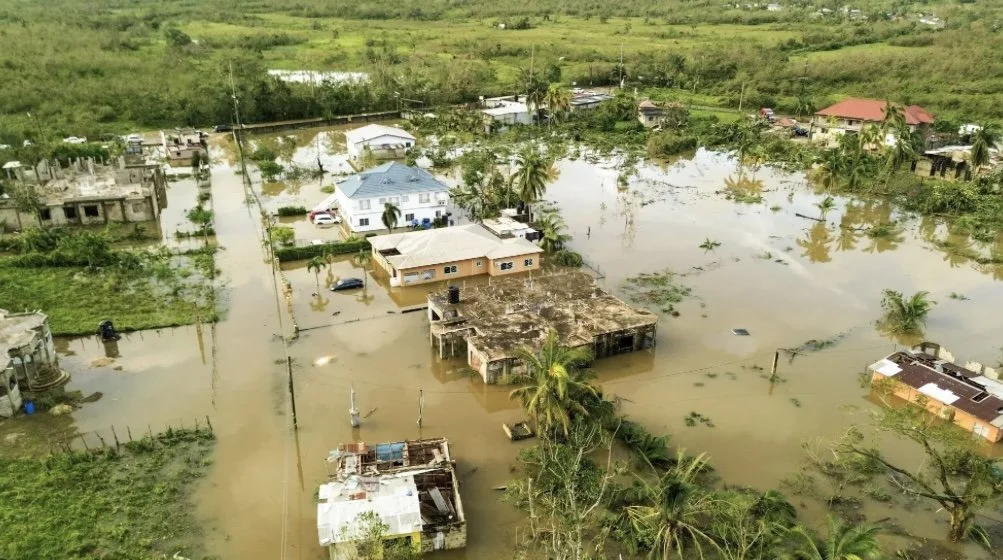
100% of proceeds go to support relief efforts in Jamaica from Hurricane Malissa
Through January 31, every purchase you make will directly support the community efforts led by a Kingston native and community organizer - someone deeply connected to the families and schools in need. Your contribution will provide essential supplies and resources to student families, teachers, and schools across Kingston and surrounding parishes, where the need remains urgent.
This is not an external charity; it’s a trusted family network ensuring that 100% of your support reaches those who need it most. You can feel confident that your generosity is making a real, immediate impact.
Thank you for caring and for standing with Jamaica.
-
Printed in color on vanilla card-stock
Includes envelopes
-
Mailed to your door
Our Shared Responsibility
The United States has played a major role in Jamaica’s economic struggles through exasperating the climate crisis, and establishing trade policies that limit the country’s ability to benefit from its own resources. This is described by neoliberal colonialism. For example, U.S.-imposed tariffs and quotas - such as the 10% baseline tariffs that threaten to override Caribbean Basin Initiative preferences - have squeezed Jamaica’s key exports like bauxite, alumina, and agricultural goods. Additionally, strict tariff-rate quotas on sugar under frameworks set by the USDA and the World Trade Organization have capped Jamaica’s export potential, forcing dependency and blocking efforts to build sustainable local wealth. This is a reality that drains the nations resources from itself, and funnels it into the wealthy global minority. The same is being done across Francophone Africa, former British colonies, and places with the U.S. has identified material wealth which it wants to extract for capital.
Neoliberalism is a global economic and cultural system that prioritizes privatization, free markets, and deregulation of former colonies, while reshaping societies and identities to align with a market logic where wealth is generated through exploitation.
Neocolonialism was coined in the 1960s by Ghana’s first president Kwame Nkrumah, to describe how newly independent countries remained under the economic and political control of former colonial powers through indirect mechanisms.
These ongoing projects are driven by nations like the U.S., France, and Great Britain, and deepen inequality and dependency in regions like the Caribbean, Africa, and the Middle East.
Reading List
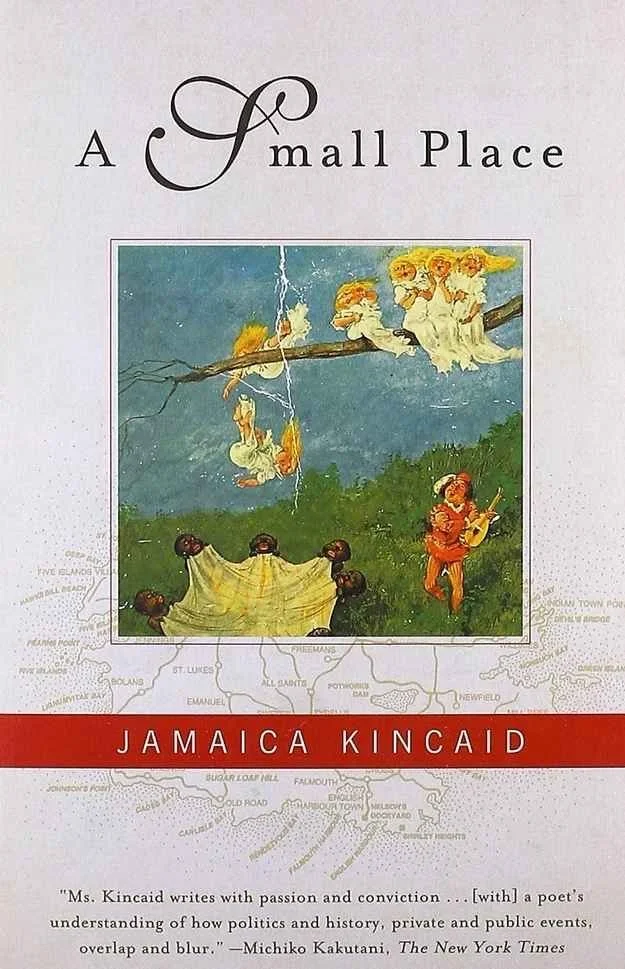
1. A Small Place by Jamaica Kincaid
A classic, short, and powerful essay that exposes the intersections of colonialism and tourism in Antigua. It’s a sharp, personal, and captivating read.
2. Claire of the Sea Light by Edwidge Danticat
A lyrical tale of love, loss, and longing in a Haitian seaside town, where a young girl’s disappearance ripples through lives bound by secrets and hope.
3. Entrepreneurial Selves: Neoliberal Responsibility and the Making of a Caribbean Middle Class by Carla Freeman
A rich ethnography of Barbados, this work explores how neoliberal ideology masks lasting colonial inequalities behind the mirage of entrepreneurial self-making, shaping systems that commodify identity, gender, and class.
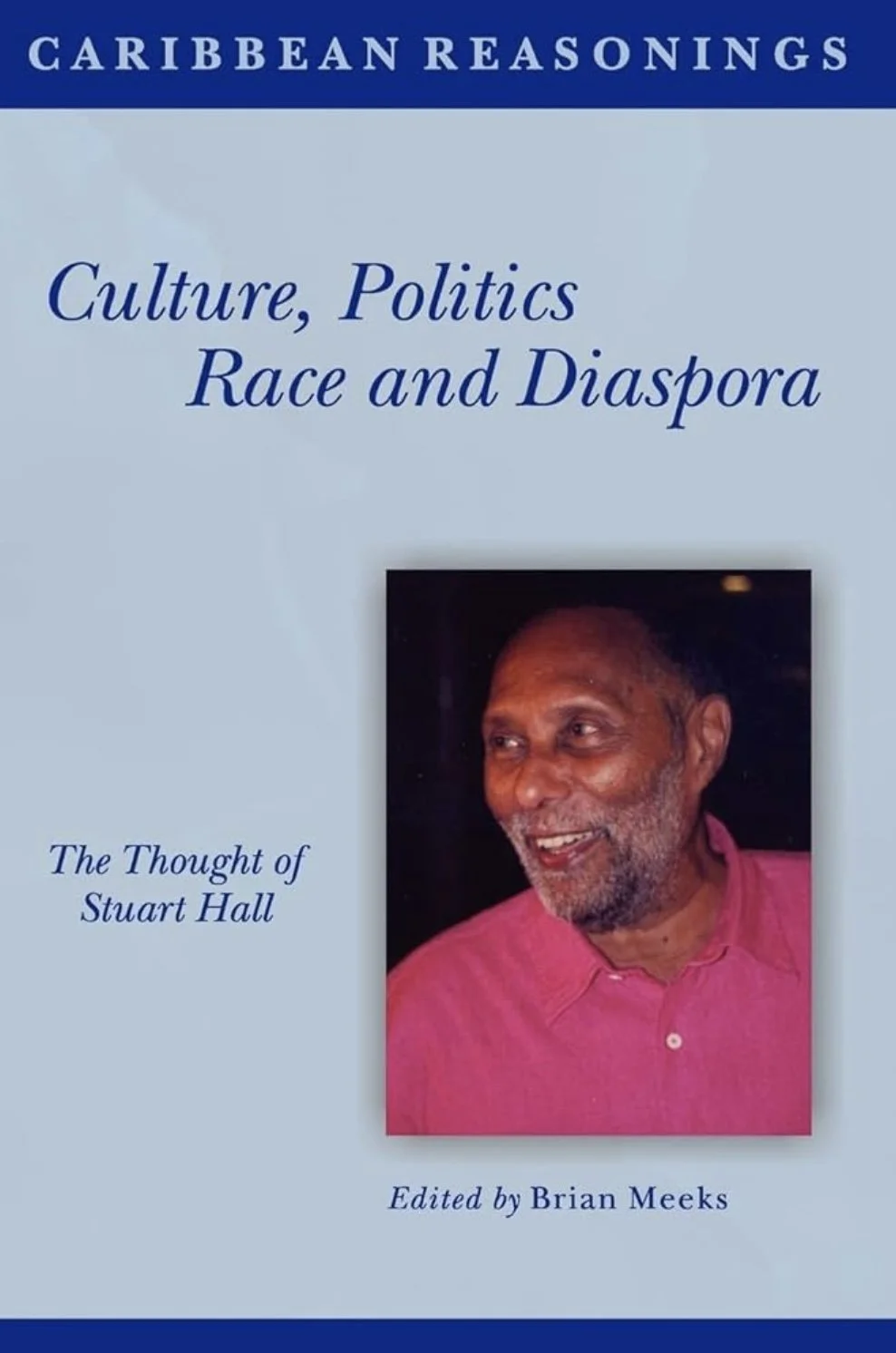
4. Caribbean Reasonings: Culture, Politics, Race and Diaspora edited by Brian Meeks
A dynamic anthology of essays honoring Stuart Hall’s foundational contributions to cultural studies. The collection features critical reflections that situate Hall’s theoretical work within the lived realities of his island of birth, Jamaica, and the broader Caribbean context.
For the documantary lovers…
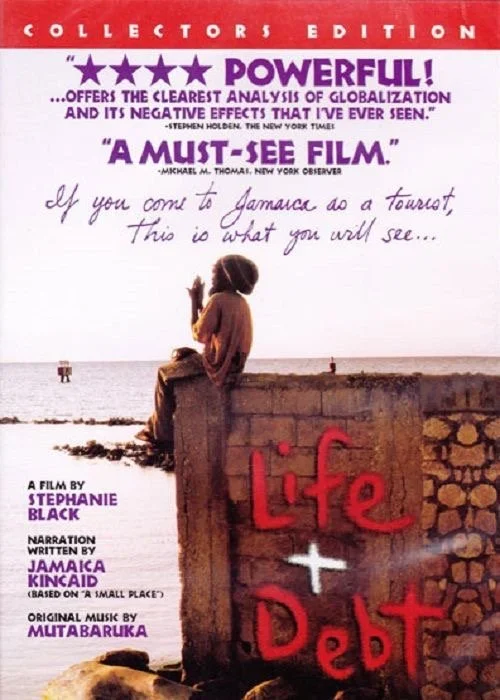
Life and Debt (2001) Directed by Stephanie Black
This acclaimed documentary examines how globalization, especially the International Monetary Fund (IMF) and World Bank's structural adjustment policies, has affected Jamaica’s economy, agriculture, and industry. Narrated by Jamaica Kincaid, it draws a direct connection between the loan conditions imposed by these institutions (like trade liberalization, privatization, and deregulation) and the erosion of local sovereignty and economic autonomy.
It highlights real-world consequences: powdered milk and subsidized agricultural imports undercut local farmers; “free zones” emerged as sweatshops paying minimal wages; and the burden of debt and austerity measures disrupted social systems—underscoring how neoliberal policies function as a form of economic control in post-colonial contexts.
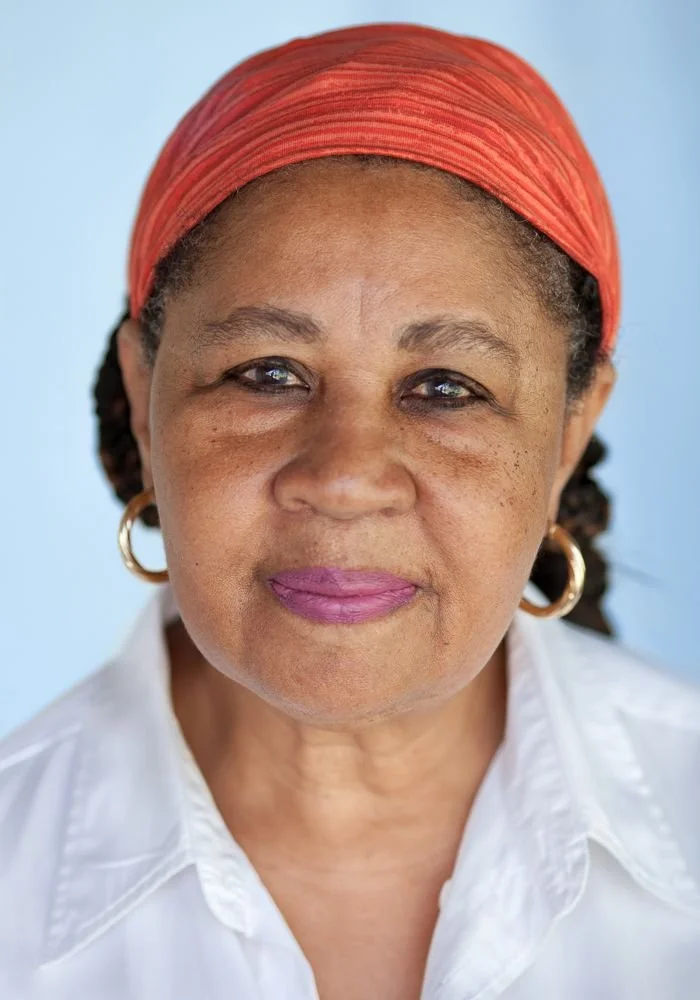
“The slave trade was globalism.”
Jamaica Kincaid
St. John’s, Antigua
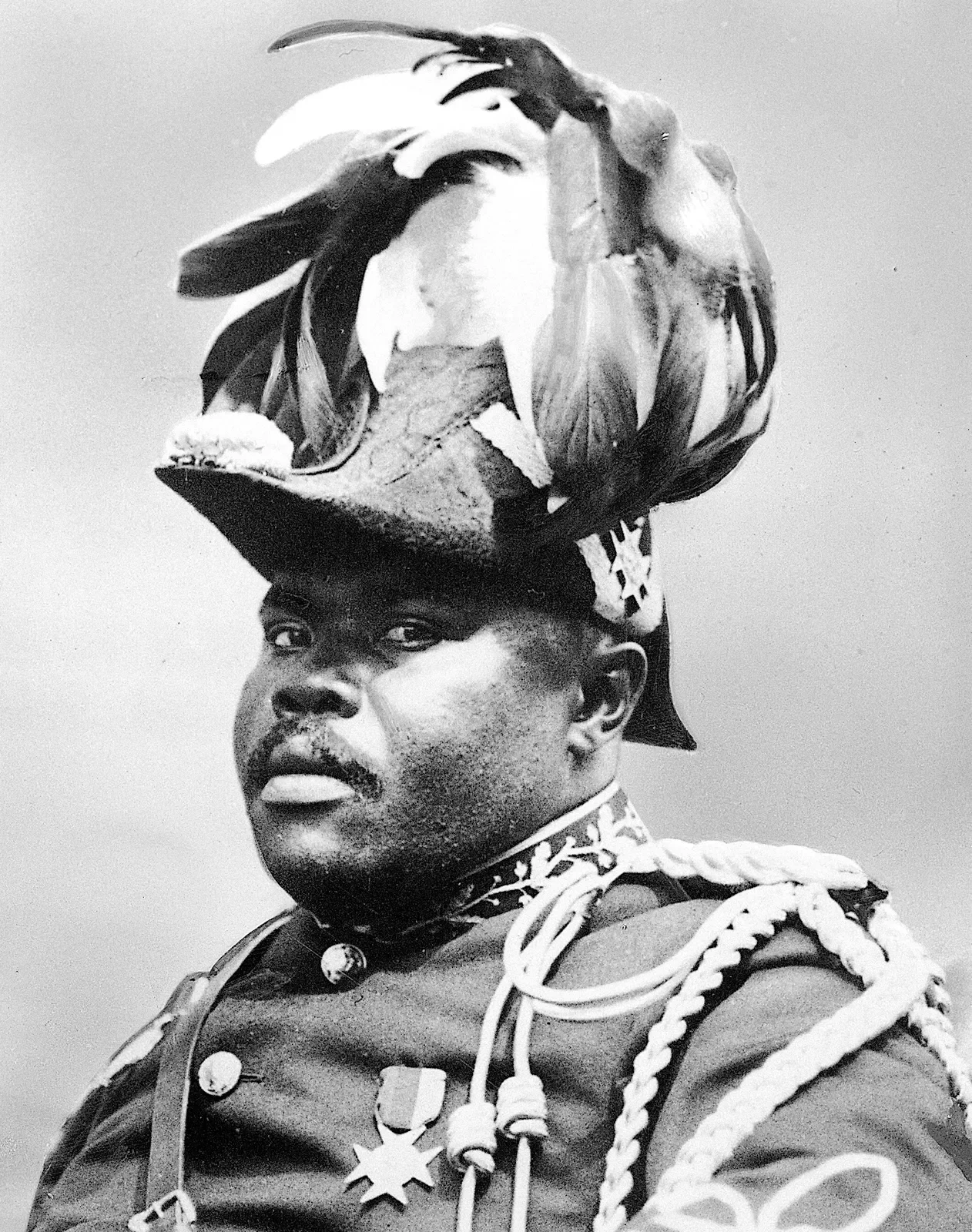
“Unity is strength. Division is weakness.”
Marcus Garvey
St Ann’s Bay, Jamaica
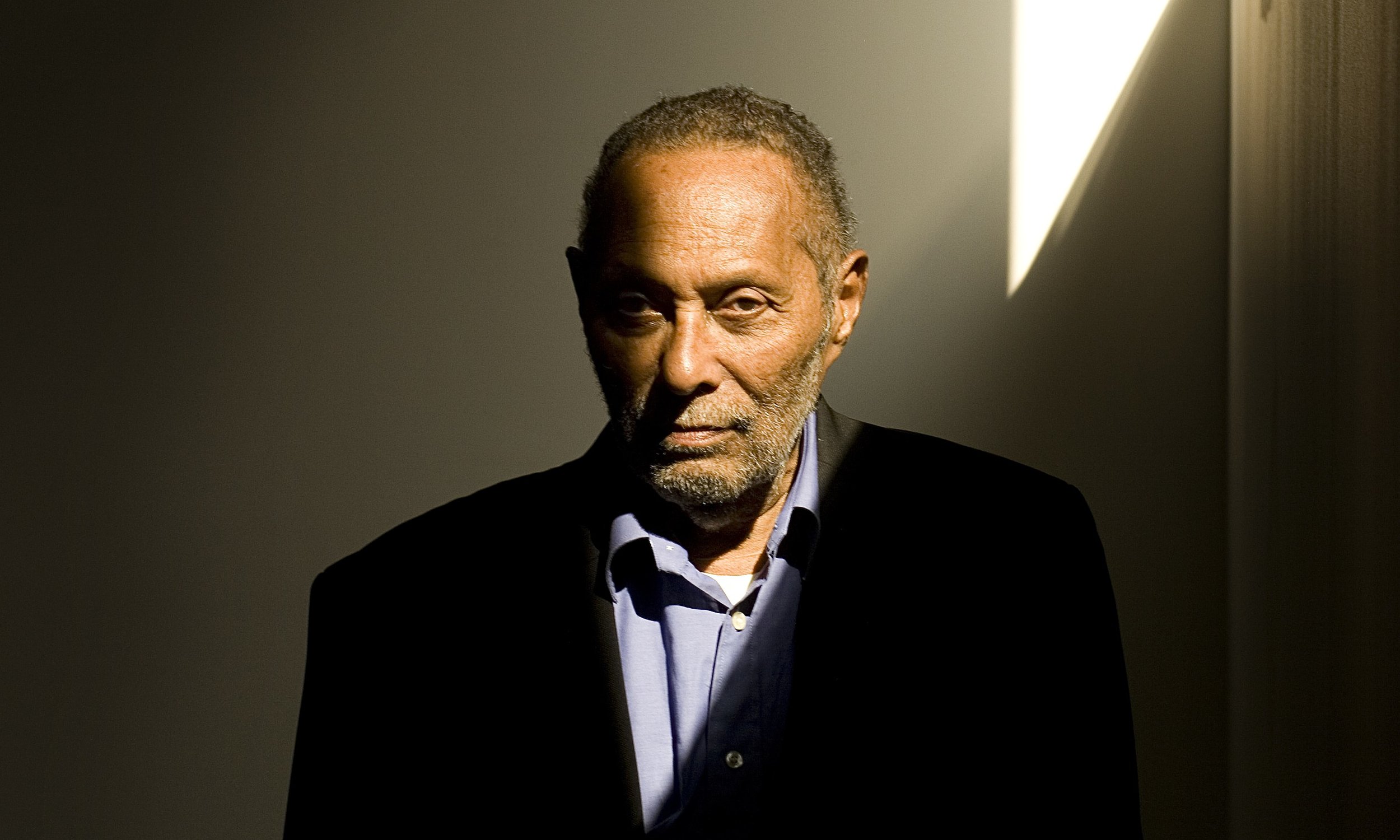
“Power is not simply a matter of coercion or domination, but also operates through consent and participation.”
Staurd Hall
Kingston, Jamaica
“You learned in school that you have pencils and paper only because the trees gave themselves in unconditional sacrifice.”
Edwidge Danticat
Port-au-Prince, Haiti
and Brooklyn, New York